2026-09-10
Why Levinas Lifting Is Gaining Attention: A Complete Guide
Explore Levinas Lifting (Fascia Lifting): how physical shock waves release deep fascial tension, enhance microcirculation, and restore natural contours without thermal trauma.

Why Levinas Lifting Is Gaining Attention: A Complete Guide
Many people find themselves concerned every time they look in the mirror, noticing that their jawline is not what it used to be and their skin elasticity has declined.
However, when considering lifting procedures, intense pain, intense heat, or extended downtime often make it difficult to take that first step.
You might also notice that your face feels particularly heavy and stiff upon waking up in the morning, or your jaw area constantly feels tight and congested.
In such cases, it is not just a loss of superficial skin elasticity—it is crucial to examine whether the deeper tissues of the face are chronically tense or constricted.
Recently, lifting techniques that address not only the skin surface but also the deep underlying structural support of the face have been gaining widespread attention.
One prominent example is Levinas Lifting, frequently referred to as Fascia Lifting.
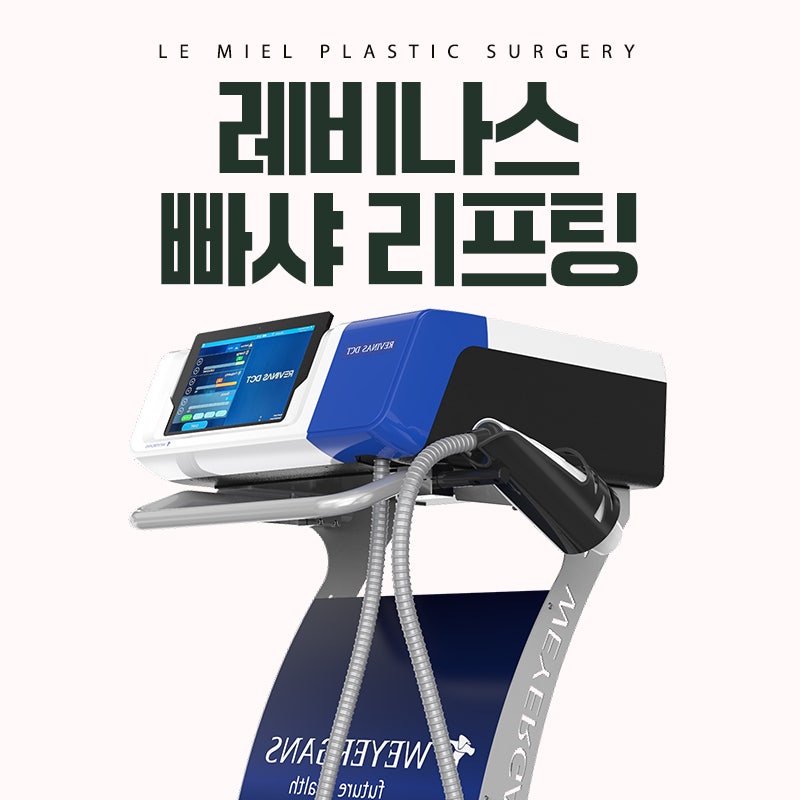
Today, let us walk through what the deep fascia is, how Levinas Lifting works, and how it differs fundamentally from conventional lifting treatments.
The Hidden Structure Supporting Facial Firmness: Deep Fascia
It is easy to assume that skin alone dictates facial shape, but in reality, multiple layers of tissue beneath the skin connect seamlessly to shape facial contours and facilitate natural movements.
Among these layers, a specialized fibrous tissue envelops muscles while connecting and supporting surrounding soft tissues.
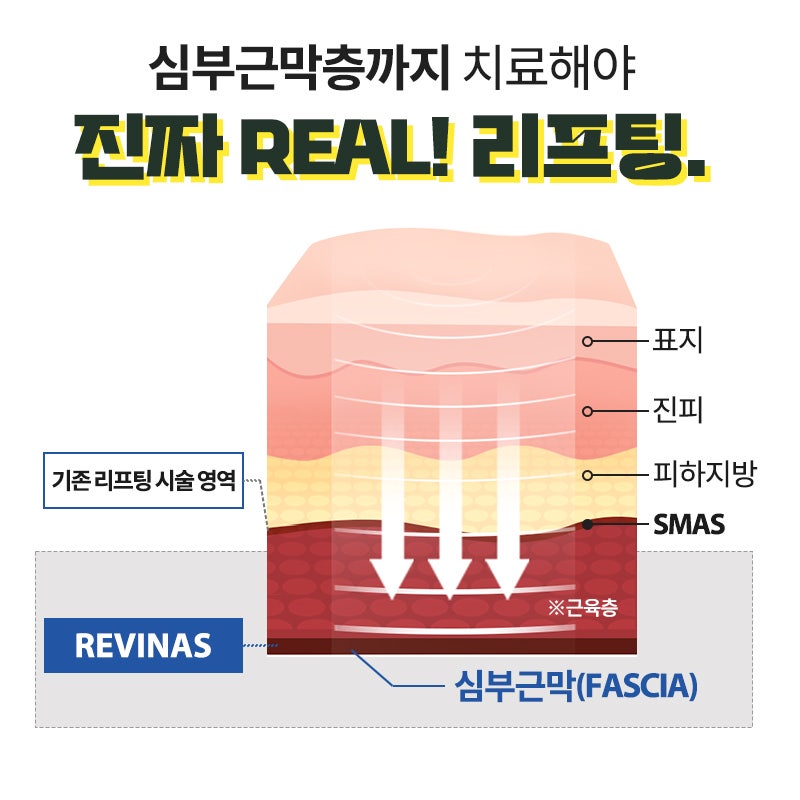
Medically, this structure is known as the fascia.
To put it simply, it acts like a supportive net or the guy lines of a tent, keeping the entire facial structure balanced and taut.
This explains why caring solely for the surface layer of skin does not always fully restore facial firmness and contours.
What happens, then, under chronic stress, repetitive grimacing, or persistent habits like resting the chin on one's hand and chewing on one side?
Subjected to continuous tension and repetitive motion, the fascia gradually loses its flexibility and becomes rigid.
Adhesions can also form, causing the fascia to stick abnormally to surrounding structures.
When fascial mobility and balance deteriorate, facial muscle movement becomes sluggish. This leads to chronic tightness around the jaw, a heavy sensation, and overall facial stiffness.
A sagging lower face should therefore be evaluated alongside the physical condition of these underlying tissues.
How Does It Differ from Traditional Lifting?
This is precisely why Levinas Lifting is garnering such significant interest. Standard radiofrequency (RF) or high-intensity focused ultrasound (HIFU) devices typically deliver thermal energy deep into the skin, applying controlled heat stimulation to the tissues.
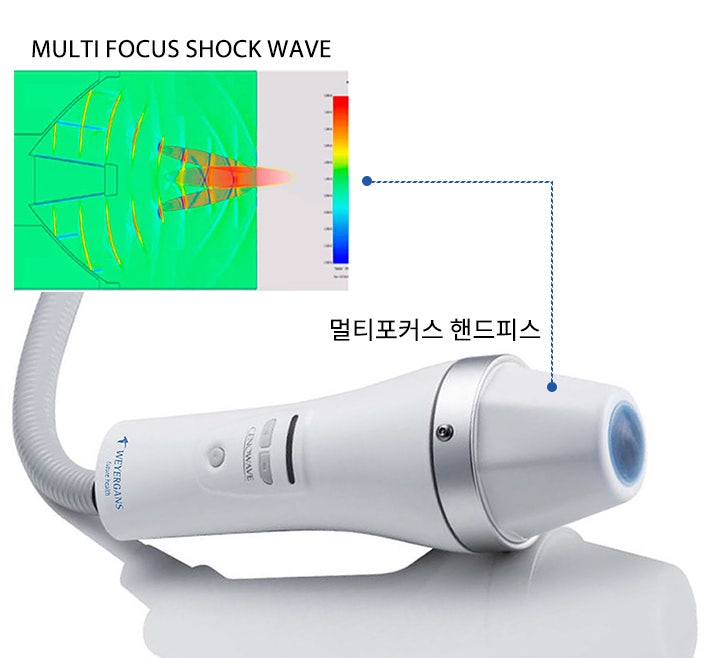
In contrast, Levinas Lifting does not rely on intense thermal energy. Instead, it utilizes physical extracorporeal shock waves.
Precisely calibrated shock waves pass through the skin surface to reach the deep fascial layer situated below the subcutaneous fat.
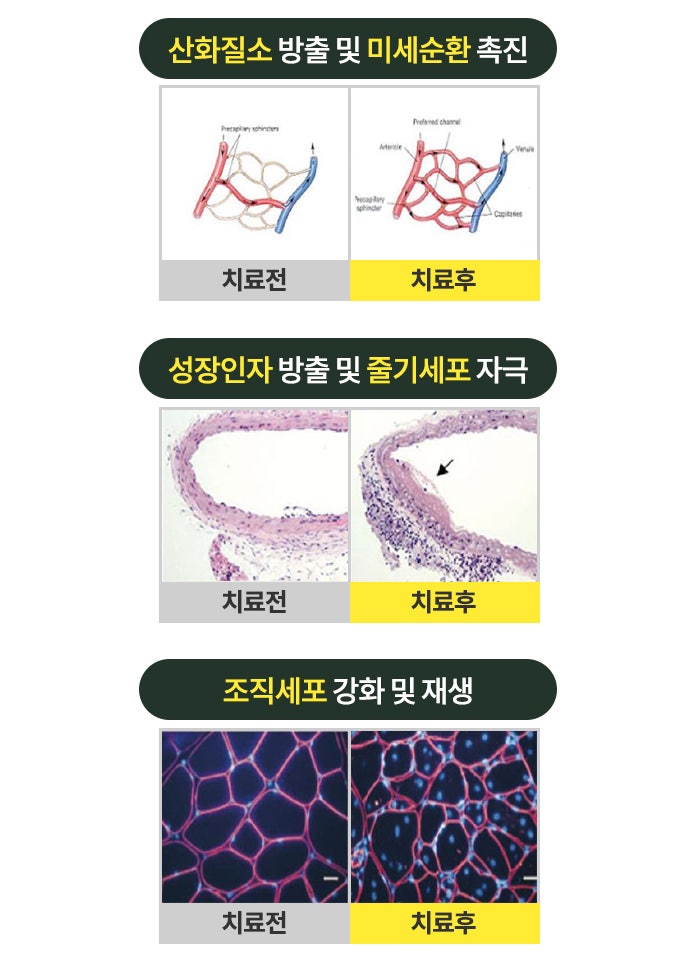
Through physical kinetic stimulation, this approach helps release tense, rigid fascia, promotes natural tissue mobility, and supports the microcirculatory environment.
Furthermore, shock wave mechanical stimulation activates fibroblasts within the tissue, aiding natural regenerative processes such as neocollagenesis.
Rather than merely tugging the skin upward, Levinas targets and cares for the underlying structural tissues of the face.
What Makes It Such an Attractive Option?
For those concerned about heat sensations or cheek hollows
Many individuals hesitate to undergo lifting treatments due to fear of intense heat or excessive thermal stimulation.
Because Levinas Lifting does not rely on thermal coagulation points created by high temperatures, concerns regarding thermal trauma are significantly minimized.
It serves as a viable alternative for patients who worry about volume loss or hollow cheeks resulting from thermal energy devices.
However, since tissue response varies depending on the device settings, treatment protocol, individual subcutaneous fat volume, and skin thickness, a precise clinical evaluation by a medical professional remains essential.
For chronic jaw tension and localized tightness
Some individuals frequently suffer from tightness around the jaw or a general feeling of facial heaviness and fatigue.
In these instances, rather than focusing purely on skin laxity, it is beneficial to assess the tension levels across the facial muscles, fascia, and adjacent soft tissues.
Levinas Lifting delivers targeted shock waves to physically stimulate these tissues, facilitating tension release and restoring fluid movement.
Consequently, it appeals not only to those seeking vertical lifting, but also to anyone wanting to soften and rebalance chronically tense facial architecture.
For persistent facial swelling and morning puffiness
There are also cases where the face swells markedly each morning or maintains a heavy, bloated feeling throughout the day.
Here, evaluating circulatory dynamics alongside skin elasticity is key.
Mechanical shock wave stimulation promotes microcirculation and lymphatic drainage, assisting in the management of facial puffiness and fluid retention.
Facial swelling stems from diverse physiological factors, so not all swelling should be solely attributed to fascial tension or lymphatic stagnation.
Identifying the root cause through a proper consultation should always come first.
Who Might Consider This Procedure?
Those who frequently experience jaw tension and a heavy facial feeling
Those troubled by morning facial swelling and lingering heaviness throughout the day
Those who have hesitated to try lifting procedures due to intense heat, discomfort, or pain
Those concerned about jaw stiffness and muscle tightness in addition to skin laxity
Those who feel post-procedural stiffness or tissue congestion following past contouring surgeries or cosmetic treatments
Those seeking to restore natural contours and tissue vitality rather than creating artificial volume
A Different Approach from One-Time Pull-Back Procedures
One of the most frequent questions regarding Levinas Lifting is: "How many sessions are necessary?"
Levinas Lifting works differently from procedures that aggressively pull the skin tight in a single session for immediate, rigid changes.
Its core purpose is to gradually release tissues that have stiffened over time, restoring natural motion and improving circulatory dynamics.
Therefore, a treatment plan consisting of multiple sessions spaced at regular intervals is commonly recommended based on individual tissue conditions.
While a course of 3 to 5 sessions is standard, the exact number varies from person to person.
Fascial thickness, the extent of tissue adhesions, baseline elasticity, facial fat volume, and even everyday facial expressions and lifestyle habits influence the pace of results and the required session count.
Rather than simply aiming to complete an arbitrary number of sessions, the key is tailoring the protocol directly to your face's specific tissue characteristics.
What Does the Treatment Feel Like?
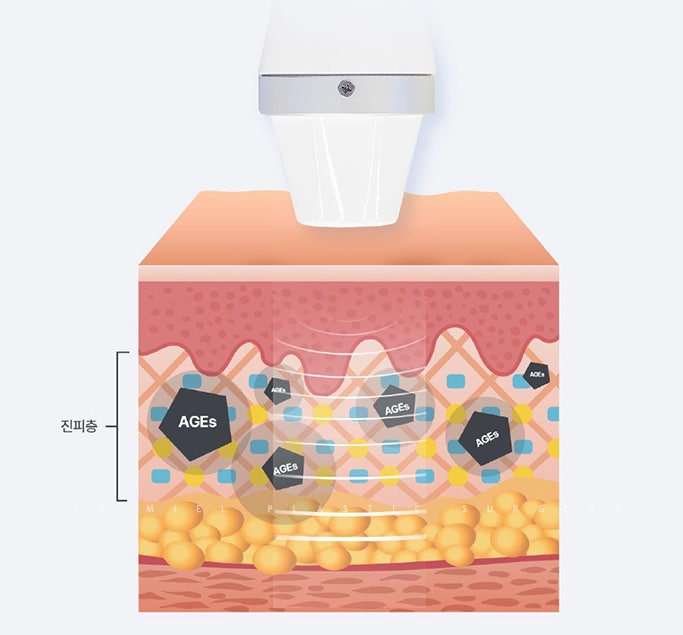
Because the procedure utilizes physical shock waves, it does involve distinct physical sensations.
Patients often describe a deep rhythmic tapping or a dull, pressurized sensation throughout the treatment area.
Near areas with dental work or metal prostheses, a temporary resonance or reverberating sensation may be felt.
Immediately following the procedure, mild transient erythema or slight skin tightness may occur, but these typically subside naturally shortly afterward.
Keep in mind that individual sensitivity, comfort levels, and recovery durations will vary.
Ultimately, Finding the Right Approach for Your Face Matters Most
Fascial thickness, soft tissue distribution, facial nerve pathways, and structural asymmetry differ for every individual.
Applying uniform energy intensity and treatment depth across all patients is neither effective nor advisable.
From adjusting the intensity and focal depth of the shock waves to mapping the exact treatment zones, the procedure requires precise customization aligned with each patient's anatomical structure.
At Lemiel Plastic Surgery in Jongno, our deep understanding of facial anatomy allows us to thoroughly evaluate each individual's soft tissue condition and the root causes of facial sagging.
Based on this assessment, we pinpoint what your face truly needs and formulate a personalized 1:1 treatment strategy.
Whether facial sagging stems purely from decreased skin elasticity or involves tension and adhesions within the deeper muscular and fascial structures varies across individuals.
A comprehensive consultation is the most effective way to determine whether Levinas Lifting is your best option or if a combination approach with other lifting modalities will yield the finest results.
Rather than merely pulling surface contours upward, discovering why your face sags and feels heavy in the first place is essential.
That precise understanding is where truly natural lifting begins.











Frequently Asked Questions
How does Levinas Lifting differ from traditional lifting treatments?
It uses physical extracorporeal shock waves rather than thermal energy. Unlike standard radiofrequency or ultrasound, it avoids creating thermal coagulation zones. Instead, it directs precise shock waves into the deep fascia to release muscular tension and improve microcirculation.
What does the treatment feel like, and is it painful?
You may feel a deep, rhythmic tapping or dull pressure. Because shock waves are used, temporary reverberation may be sensed around dental prosthetics. Mild redness or tightness can occur right after the session, but it resolves naturally over time.
How many sessions of Levinas Lifting are recommended?
Patients typically undergo 3 to 5 sessions, though this depends on individual tissue characteristics. Because the treatment focuses on gently relaxing stiff fascia and boosting circulation rather than an aggressive, one-time pull, the schedule is tailored to your fascial thickness, adhesion, and elasticity.
Is it safe for patients concerned about heat-induced cheek hollowing?
Yes, it is an excellent alternative if you wish to avoid thermal damage. Levinas Lifting does not use high heat to form coagulation points, reducing the risk of unwanted volume reduction. However, a professional evaluation of your subcutaneous fat is recommended first.
Does it help relieve facial puffiness and jawline tension?
Yes, it supports microcirculation, lymphatic drainage, and tension release. By physically stimulating the tight fascia and soft tissues around the jaw, it effectively reduces facial heaviness and morning puffiness.